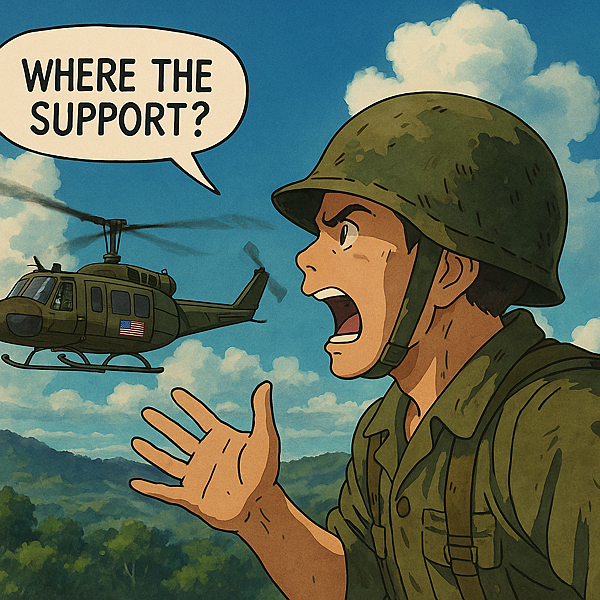
我並非疑美派更不是第五緃隊, 我只是看歷史真相中的美國
美國長期以來自詡為「民主自由的捍衛者」,但在現實的地緣政治操作中,其行動常常透露出「現實主義優先、盟友利益其次」的戰略邏輯。台灣,作為一個高度依賴美國安全與技術支持的國家,不能不正視這一點。
1. 越南:盟友的滅亡
1973年,美國從越戰中撤軍,1975年南越政權垮台,數百萬南越人被迫逃亡、投降或送進再教育營。美國曾承諾提供軍援與空中支援,但在國會與民意壓力下,轉身離去,留下一個曾深信美國承諾的盟友自生自滅。
對台灣而言,越南的教訓早該內化:美國的軍事保證不是鐵律,而是一種「可變的選項」。
2. 伊朗:國王的棄子
伊朗巴勒維王朝曾是美國在中東的頭號盟友,美方提供武器、情報與技術支援。但當1979年伊斯蘭革命爆發,美國迅速與反政府勢力劃清界線,拋棄了長期合作的沙王,並將其拒於門外。
這提醒台灣,美國支持的並不是某個政權或人民,而是「符合當下美國利益的局勢」。
3. 阿富汗:無聲的崩潰
2021年,美軍從阿富汗倉促撤離,塔利班迅速接管首都喀布爾。20年來,美國投入數兆美元、訓練的政府軍與官僚體系瞬間瓦解。美國總統拜登稱這是「結束無止境戰爭」,但對曾與美軍並肩作戰的阿富汗人而言,這是一場冷血的遺棄。
台灣不應忘記這點——當「台海戰爭」不再符合美國本土利益時,它也可能會選擇「有尊嚴地撤退」。
4. 台灣自身:斷交與模糊政策
1979年,美國與中華人民共和國建交,轉而與台灣斷交。儘管簽署了《台灣關係法》,但至今美國仍奉行「戰略模糊」政策,既不承認台灣為國家,也不明確承諾軍事協防。
在半導體供應鏈上,美國近年要求台積電赴美設廠、提供機密資料,卻對台灣自身安全維護所需的軍售遲滯、價格高昂,甚至限制高端技術外流。這一切顯示,美國真正關心的是「技術控制」而非「台灣的自由民主」。
不該盲信的「盟友」
歷史一次次證明,美國的盟友地位並非不可撼動,而是隨戰略利益而移動的浮標。對台灣而言,信賴美國可以,但不該依賴美國。唯有建立自我防衛與國際自主能力,台灣才能真正在大國博弈中生存,而非成為下一個「被拋棄的棋子」。
I'm not anti-American, and I'm definitely not part of any fifth column — I'm just looking at the United States through the lens of historical truth.
— A Taiwanese Perspective on U.S. Loyalty
The United States says it's the global guardian of democracy. That’s cute.
From Taiwan’s perspective, it looks more like a master of ghosting its allies the moment things get uncomfortable.
Let’s go through a few of America’s greatest hits — or should we say, greatest "oops, good luck!" moments.
Vietnam: Spoiler alert — they didn’t come back
Remember South Vietnam? Yeah, they sure remember the U.S.
First, Washington promised military support, training, and partnership against the communists.
Then public opinion in the U.S. shifted, and surprise! Saigon fell in 1975 while America watched from a helicopter on the rooftop.
Lesson for Taiwan: Just because someone says they’ve got your back doesn’t mean they’ll stick around when bullets start flying.
Iran: The Shah who got ghosted
The Shah of Iran was America’s golden boy. Fancy weapons, VIP visits, glowing praise — until 1979, when things got messy. Suddenly, the U.S. had amnesia.
He was kicked out like last week’s garbage and left to die in exile.
America's definition of “loyal ally”? More like “until things get awkward.”
Afghanistan 2021: 20 years of "nation building"… poof
U.S. troops leave. Taliban walks right back in like they forgot their keys.
Two decades of blood, money, and promises turned into airport chaos, crying children, and one big “sorry, we’re closed.”
And no, nobody got a refund.
Taiwan, you watching? Because the exit strategy comes faster than the shipping on those delayed F-16s.
Taiwan: Forever the “unofficial maybe kinda ally”
Since 1979, the U.S. has treated Taiwan like a side chick — no official relationship, but still expects full loyalty.
They want TSMC to move factories to Arizona, hand over sensitive chip data, and comply with every tech ban on China.
But when Taiwan needs defense systems? “Please hold, your estimated delivery time is 2029.”
Strategic ambiguity? More like strategic gaslighting.
Conclusion: Never confuse diplomacy with commitment
America doesn’t have friends. It has interests.
And once those interests shift — just ask Vietnam, Iran, Afghanistan — you're on your own, pal.
So yes, Taiwan and the U.S. might be “close.” But don't be surprised if one day, all you get is a press release, a handshake, and a flight home.

請先 登入 以發表留言。