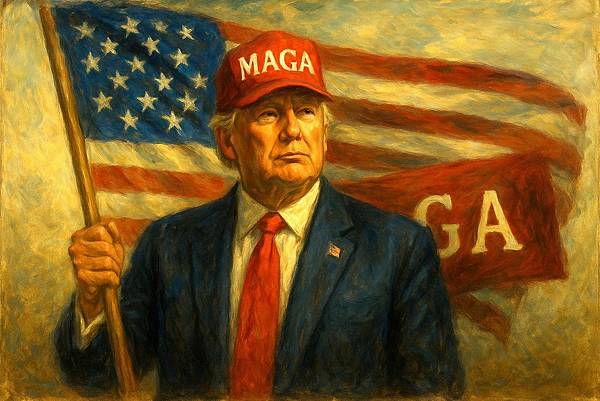
從MAGA到MCGA:當美國用關稅懲罰盟友,中國笑到最後
在全球地緣政治重新洗牌的時刻,美國前總統川普主張的「MAGA」(讓美國再次偉大)政策,正在邁向一條自我矛盾的道路。尤其在貿易政策方面,川普團隊主張對所有對美貿易順差的國家(包括台灣、韓國等盟友)課以「對等關稅」,希望藉此強化本國製造業與談判籌碼。然而,這樣的策略正在削弱美國在印太地區的同盟系統,反而可能最終導致「MCGA」——Make China Great Again(讓中國再次偉大)的局面。
以台灣為例,美國近期對台施加高達10%乃至可能擴張至32%的懲罰性關稅,使台灣民間與企業界產生「被盟友出賣」的觀感。台灣長期配合美國科技封鎖、晶片戰略,卻未獲得自由貿易協定(FTA)或實質軍事保證。若這種不對等關係持續擴大,台灣社會勢必出現「實用中立派」的聲音,傾向與北京談判,建立類似聯邦式的高度自治協議,在保留武裝與主體性的前提下,退出美國霸權主導的秩序。這將直接動搖美國在亞太的第一島鏈防線。
韓國的情勢同樣令人警惕。現任總統李在明對中態度相對溫和,並強調韓國應避免捲入台海衝突。美國對韓半導體業的制裁與限制,也導致韓國企業面臨出口困境與產能困局,使首爾逐步尋求與北京的戰略緩衝。這說明,當美國不再是可靠的後盾時,盟國的地緣策略將不再無條件地親美。
川普式的「關稅施壓外交」在短期內或許能產生局部貿易讓利,但長期來看,卻是對美國自己全球影響力的切割。當盟友感受到被壓迫而非被尊重,他們會轉向尋求平衡、尋求自主,甚至尋求敵對勢力的容忍。這正是中國最希望看到的結果:不需發動戰爭、不需吞併土地,只需等待美國用自己的手瓦解同盟。
歷史或許會記住這個轉折點:MAGA 最終變成了 MCGA —— 讓中國再次偉大。
From MAGA to MCGA: When U.S. Tariffs Punish Allies and Let China Win
At a time of global geopolitical realignment, former U.S. President Donald Trump’s "MAGA" (Make America Great Again) doctrine is heading down a path of self-defeating contradiction. In trade policy especially, Trump’s team advocates imposing "reciprocal tariffs" on all countries with trade surpluses with the U.S.—including long-time allies like Taiwan and South Korea—hoping to strengthen American manufacturing and negotiation leverage. Yet this approach is actively undermining U.S. alliances in the Indo-Pacific and may ironically lead to an outcome best summarized as "MCGA" — Make China Great Again.
Take Taiwan as an example. The U.S. has recently imposed a 10% tariff on most imports from Taiwan, with an additional 32% under consideration. This has sparked resentment among Taiwanese businesses and citizens, who feel betrayed by an ally they’ve long supported. Despite Taiwan’s cooperation in U.S.-led tech containment and chip export controls, it has received neither a Free Trade Agreement nor firm military assurances. As this imbalance grows, a pragmatic faction in Taiwan may rise, advocating negotiation with Beijing for a federal-style autonomy framework—retaining arms and domestic governance, but stepping away from the U.S.-led order. This could unravel the U.S.’s critical First Island Chain defense line.
South Korea, too, signals a shift. President Lee Jae-myung has taken a more neutral stance toward China, stating Korea should stay out of the Taiwan Strait conflict. U.S. pressure on Korean semiconductor firms has complicated their supply chains and exports, nudging Seoul toward a strategic buffer with Beijing. When the U.S. ceases to be seen as a dependable partner, allies will inevitably rebalance.
Trump-style tariff diplomacy may yield short-term trade concessions, but in the long run, it amputates America’s own global influence. Allies who feel coerced rather than respected will turn to neutrality, autonomy—or worse, to accommodation with adversaries. That’s exactly the outcome Beijing desires: no wars, no invasions—just letting Washington dismantle its alliances from within.
History may remember this turning point: when MAGA became MCGA—Make China Great Again.

請先 登入 以發表留言。